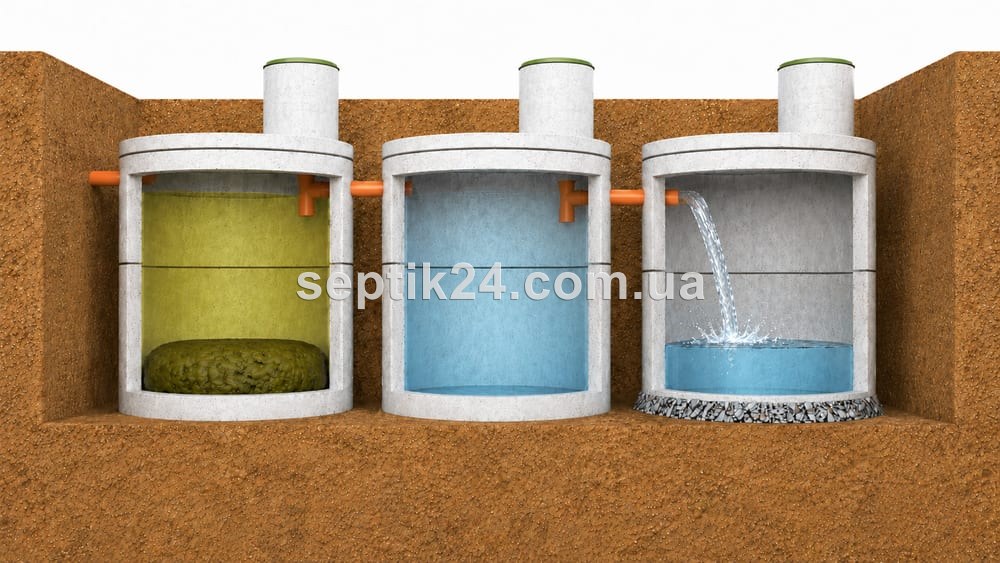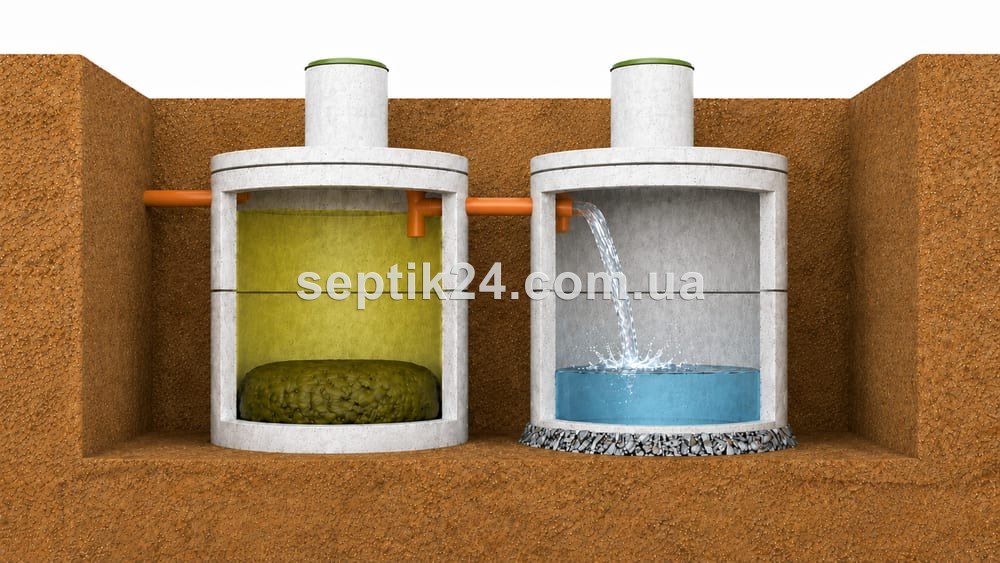
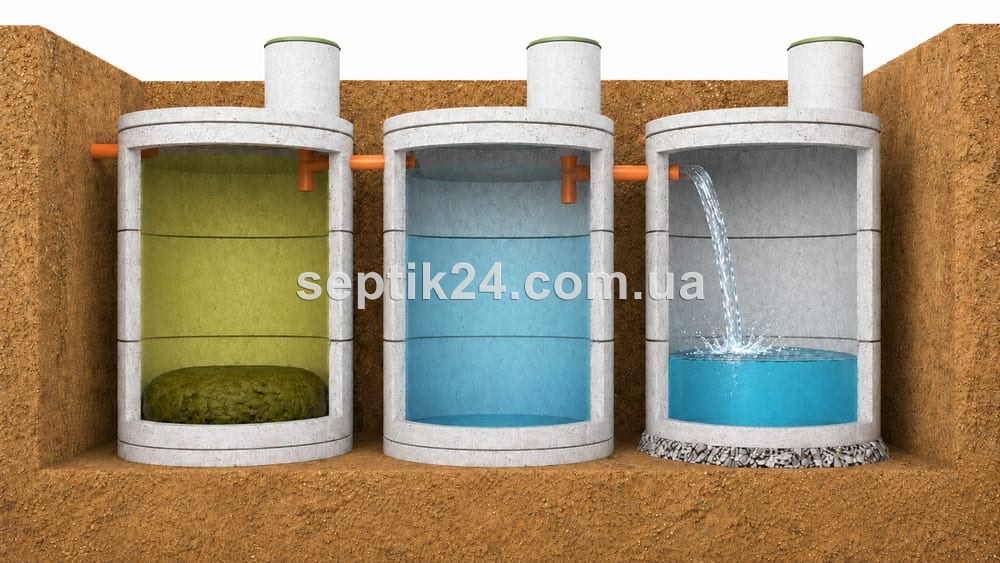
For a large house, cottage, or property with high daily sewage output
We help you choose the right setup for your property, deliver the rings, dig the pit, install the system, and connect the sewage line to your house. No forms to fill in — just call or message us.
A quick call is the fastest way: in a few minutes we will ask about the number of people, how the property is used, and the soil conditions — then point you to the right option.

Short clips from real projects: excavation, concrete ring delivery, chamber assembly, sealing, pipe connection, and the finished result on site.
We travel to towns, villages, and private housing developments. If your location is not on the list — call or message us anyway: we will quickly let you know if we can come and what delivery will cost.
Delivery and installation costs depend on your location, equipment access, septic volume, and soil conditions. We provide a free estimate.
Call or message us. We will check if our crew can reach you, arrange ring delivery, and confirm whether installation is possible in your area.
+38 (067) 156-99-99We select a configuration based on real load — not guesswork: number of people, type of use, drainage points, soil type, groundwater level, and equipment access.
Prices shown are starting estimates. Final cost depends on ring diameter, depth, number of chambers, soil complexity, groundwater level, equipment access, delivery distance, and the scope of the house connection.
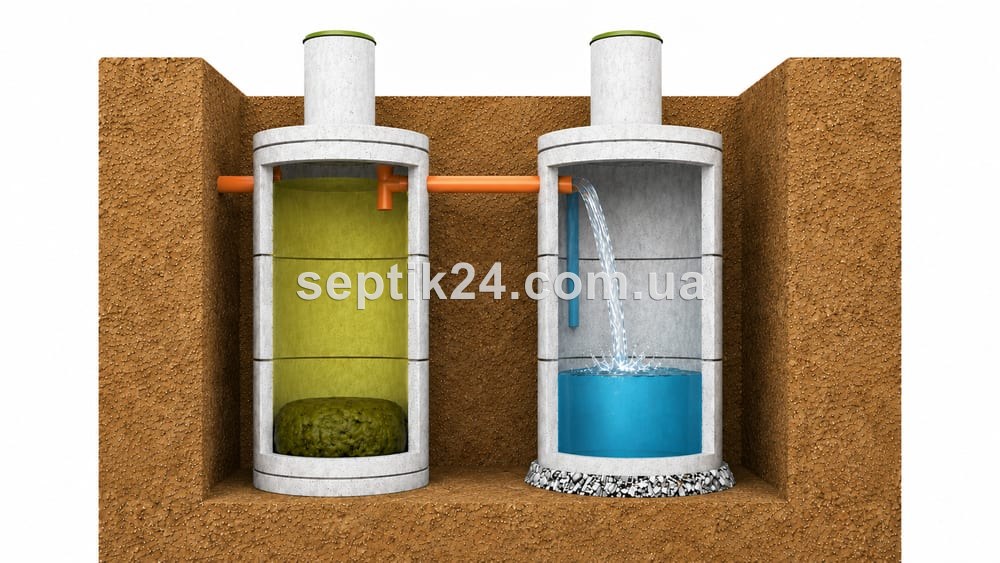
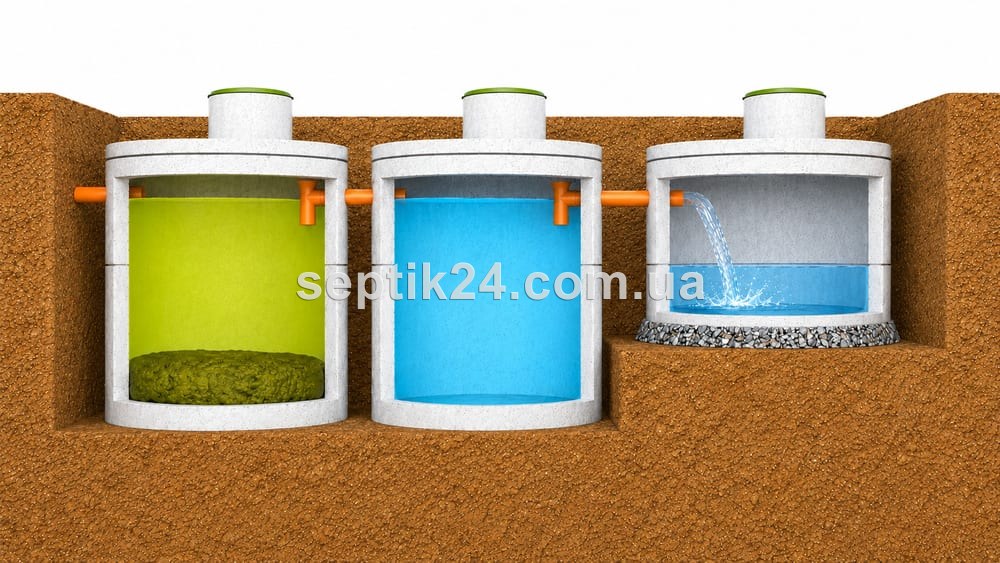
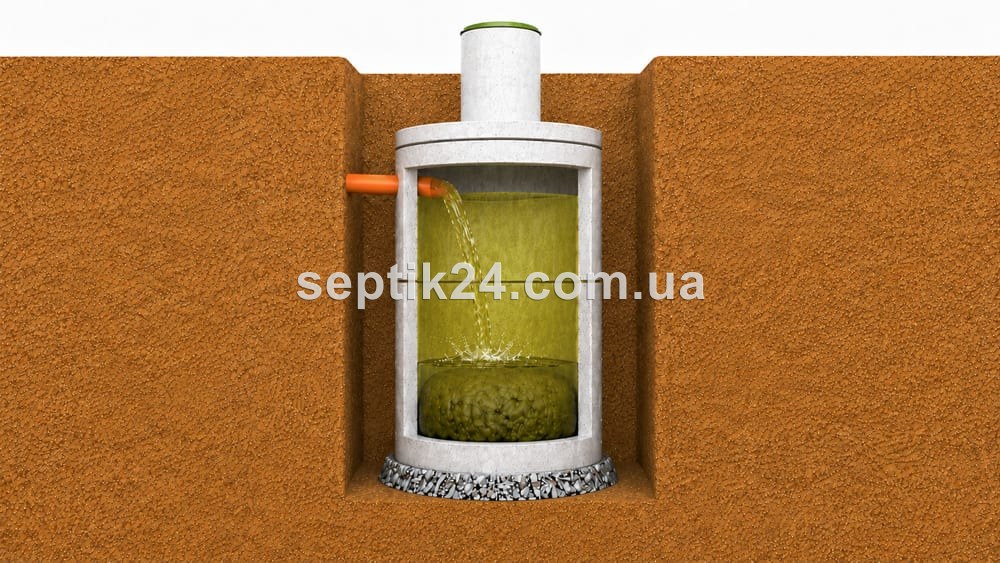
Ideal for homes with constant sewage use: multiple bathrooms, shower, washing machine, dishwasher, or a large family. Three chambers handle settling, overflow, and drainage separately.

For a large house, cottage, or property with high daily sewage output

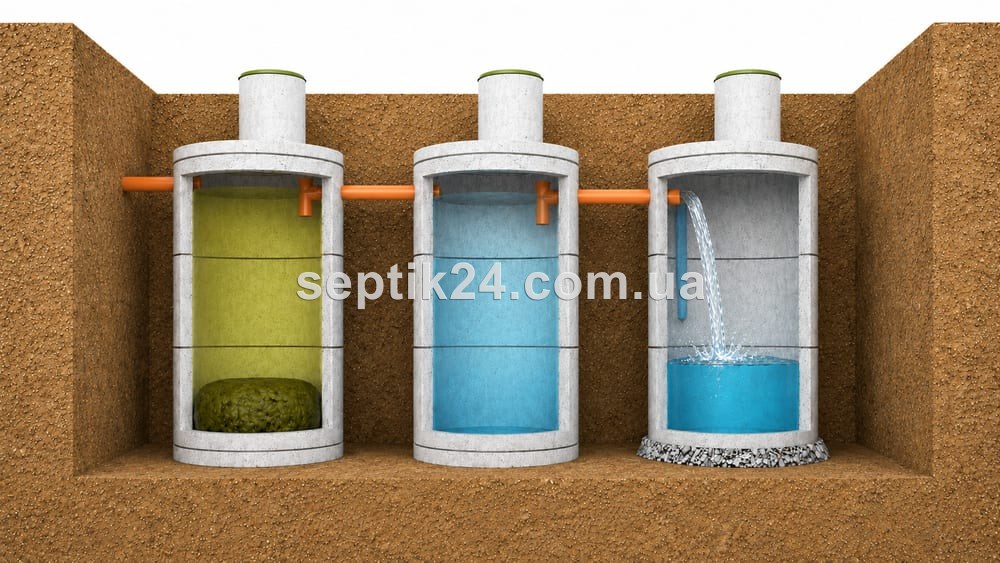
For a private home with full-time residents and higher-than-average load

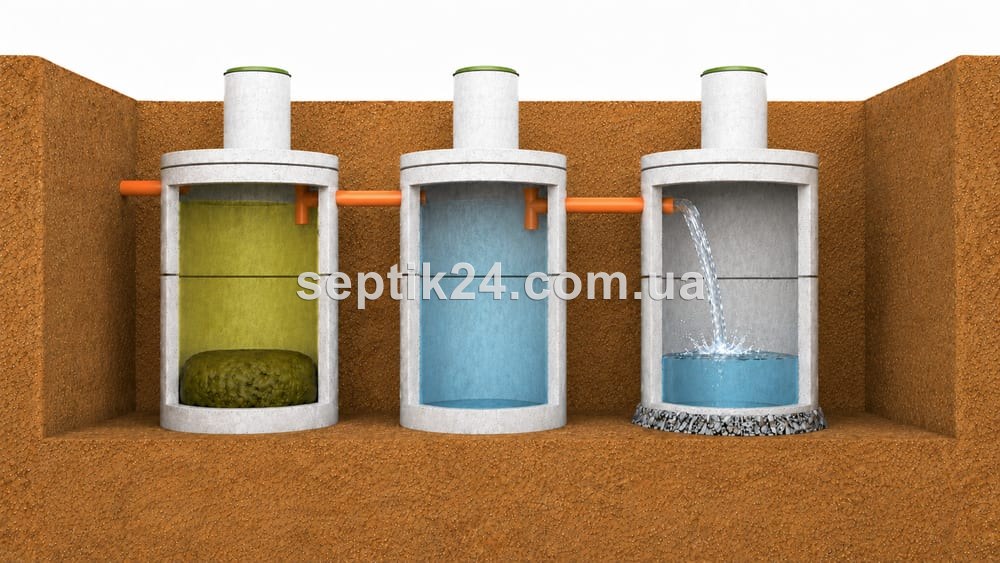
For a family home that needs a 3-chamber setup without the largest ring diameter

For a smaller home that needs staged treatment in a more compact footprint
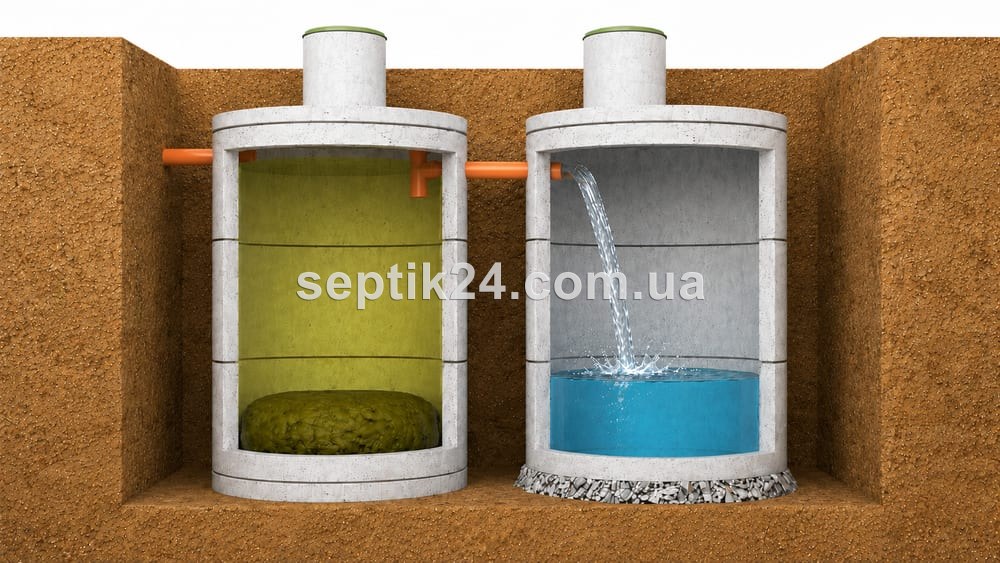
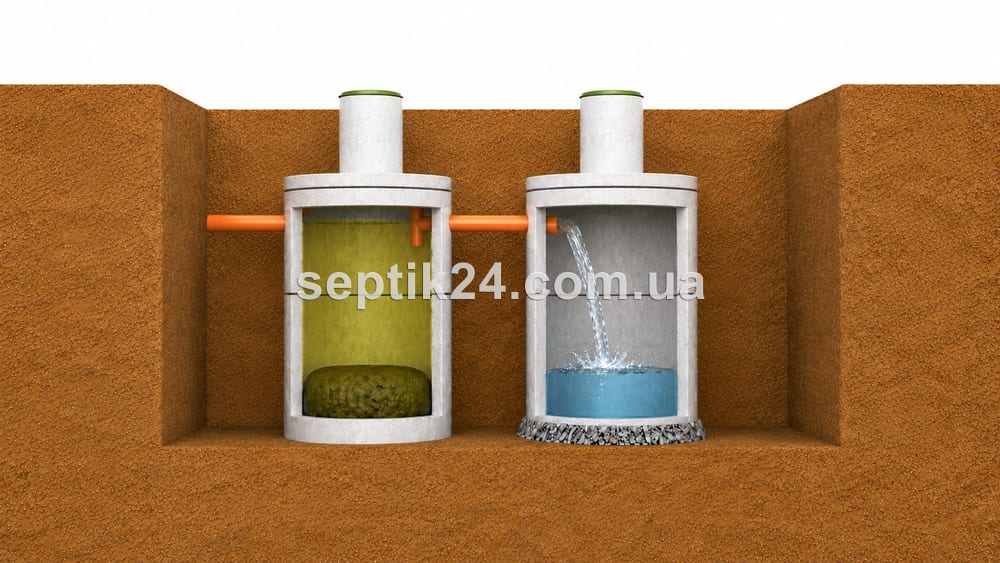
A practical solution for full-time residents. The first chamber handles the main load; the second acts as an overflow or drainage section of the system.

For a large home that needs a big volume without the 3-chamber layout

For a private home with full-time residents and a comfortable volume buffer

For a family home or cottage with regular year-round use

For a small home, cottage, or property with moderate daily use
When the water table is high, flooding is an issue, or the soil absorbs poorly, we choose the configuration carefully — after evaluating the soil, water level, and drainage options.

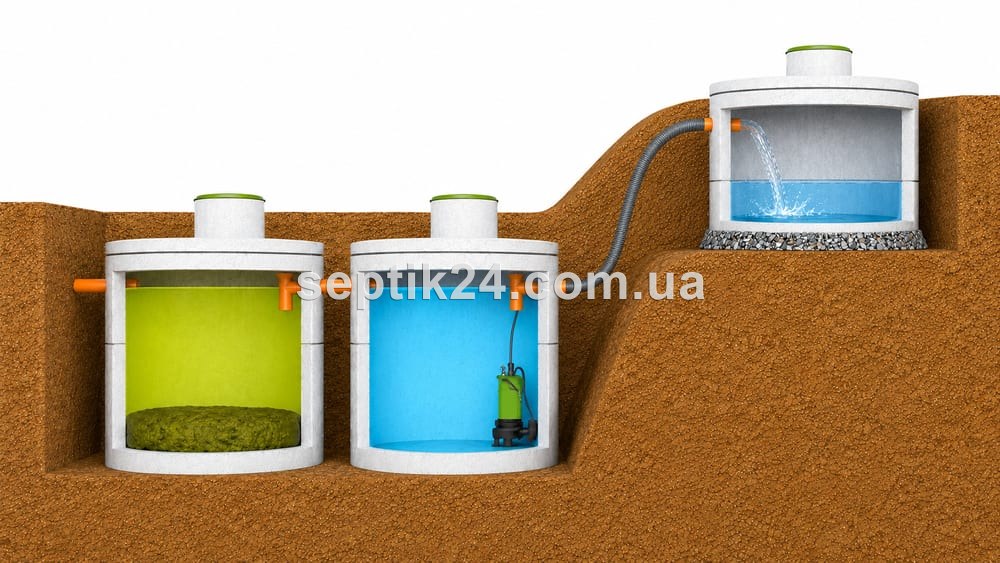
For plots where gravity drainage is unreliable or the water table sits close to the surface

For plots where natural drainage can be set up after staged treatment
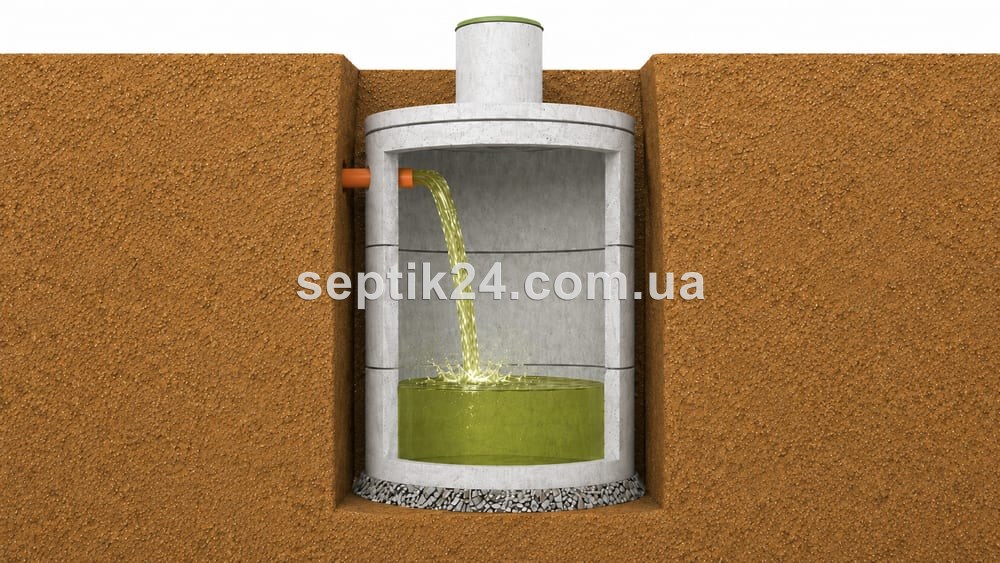
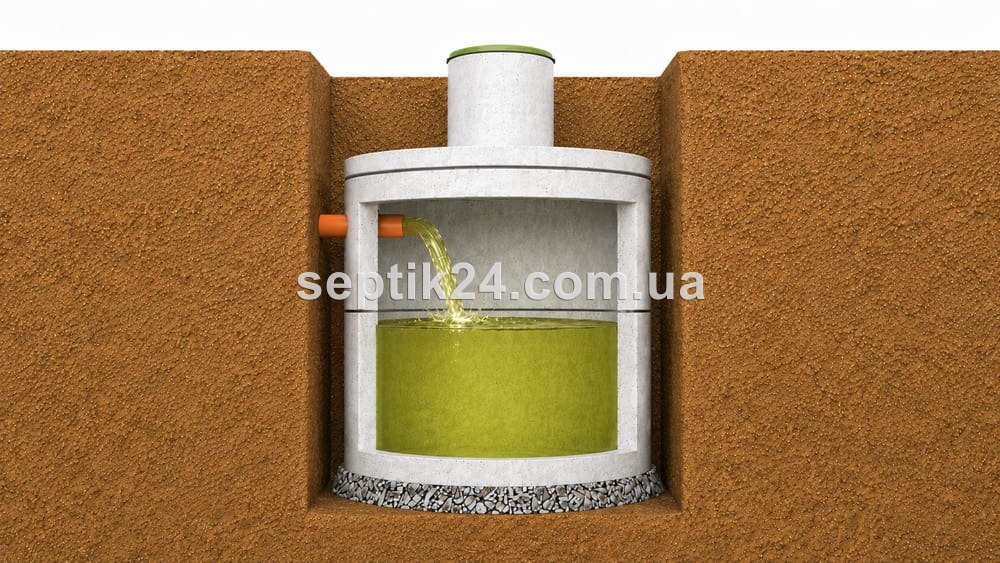
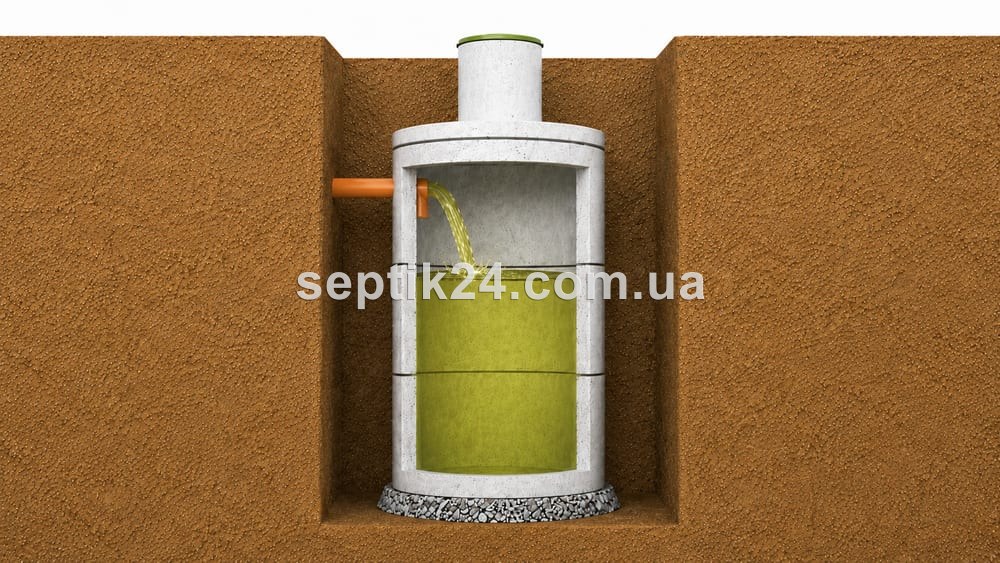
A concrete ring cesspool works for seasonal use, a dacha, or a summer kitchen. For full-time residents it is usually better to consider a two- or three-chamber septic system.

For seasonal use or a cottage with a bit more volume reserve

Compact solution for minimal load

For properties that need a larger volume in a simple single-chamber format

For those who need a simple solution with a larger ring diameter
We handle the entire process: choosing the configuration, delivering the concrete rings, excavating the pit, assembling the chambers, sealing, connecting the sewage line, and handing over the finished system. We agree on the full scope and price before any work starts.
We prepare the site and do the main groundwork for the septic system.
We set the concrete rings, build the chambers, and assemble the system to the agreed layout.
We arrange material delivery and equipment so you don't have to coordinate with multiple contractors.
We connect the system to the house, check that it works, and explain how to use the septic system.
Rings, delivery, excavation, equipment, installation crew, joint sealing, cover slab, manhole lid, and pipe connection — all in one straightforward process.
We agree on the full scope and price before any work starts.
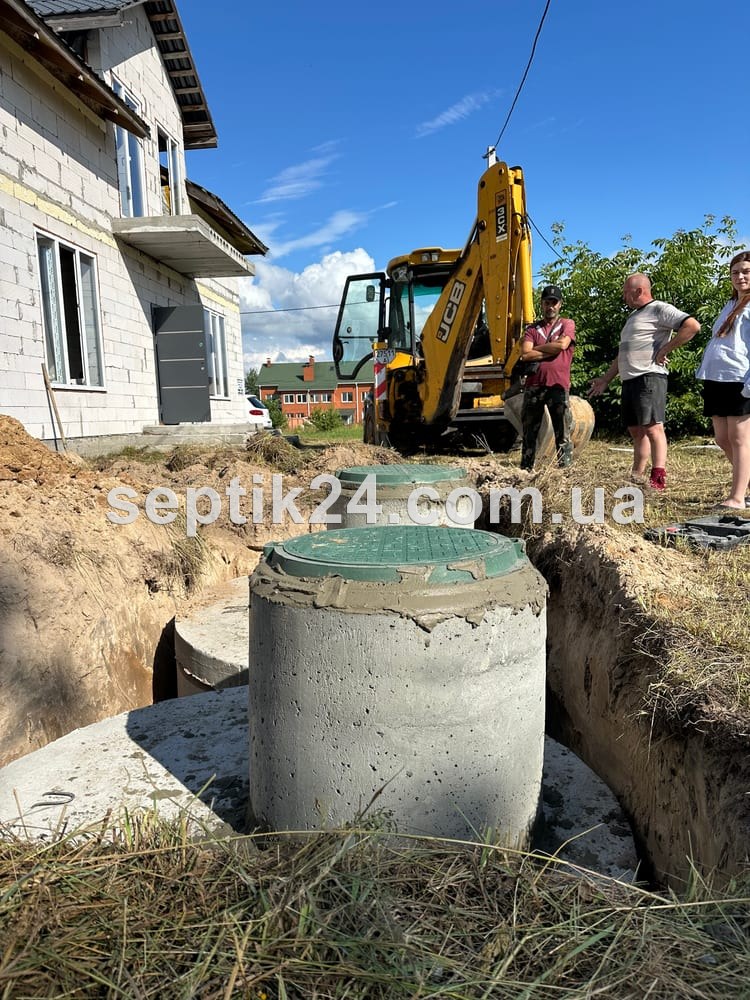
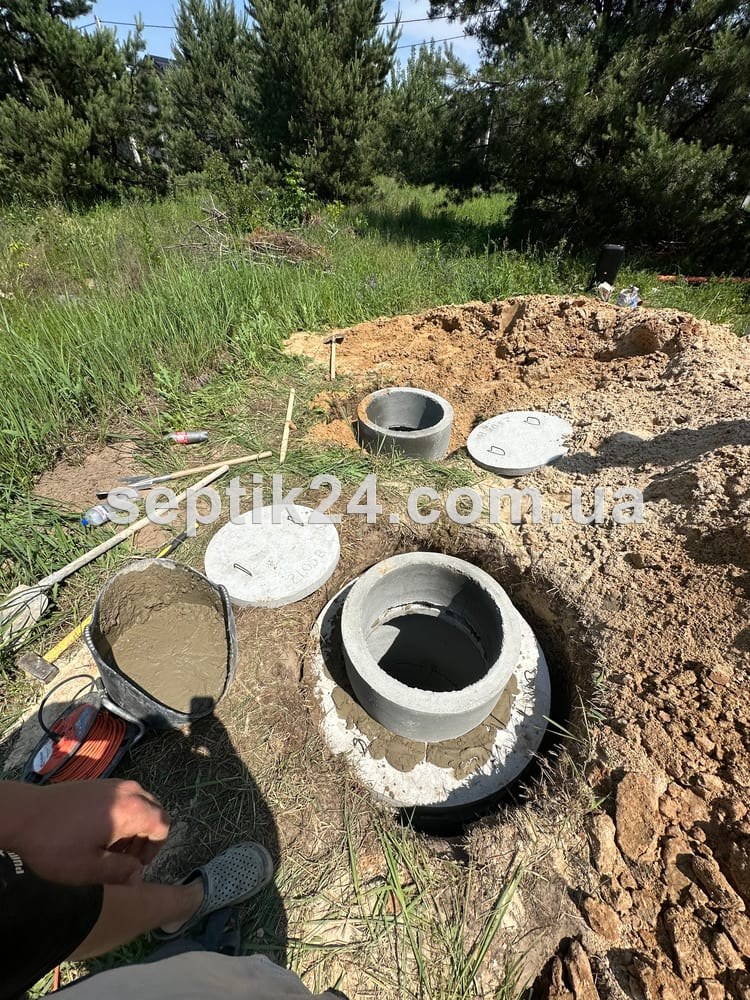
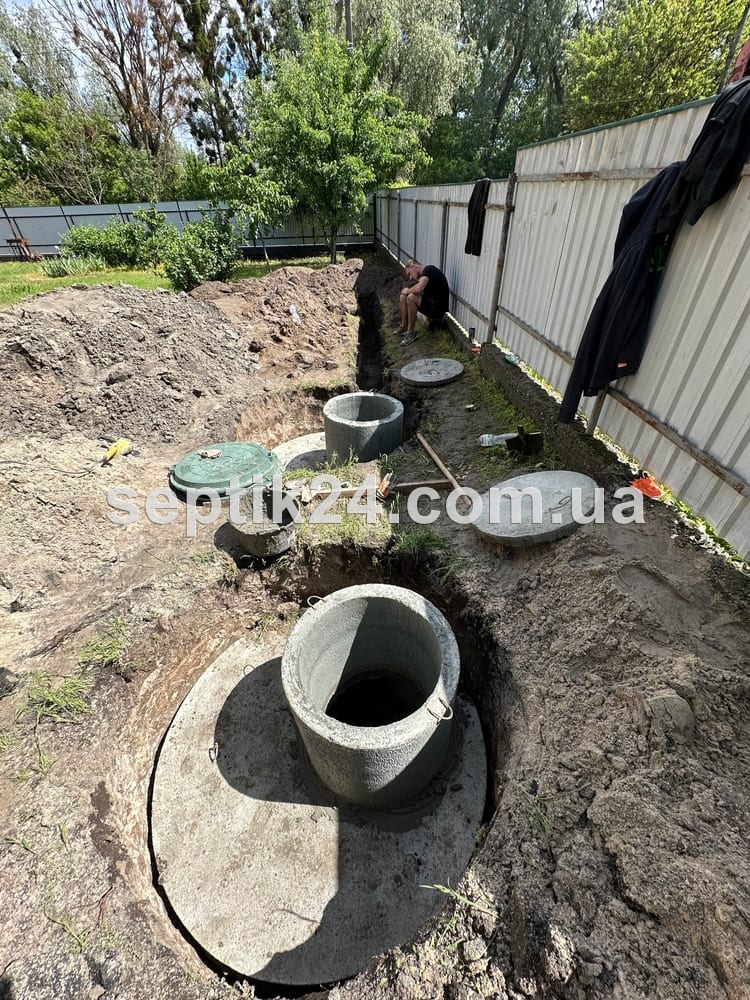
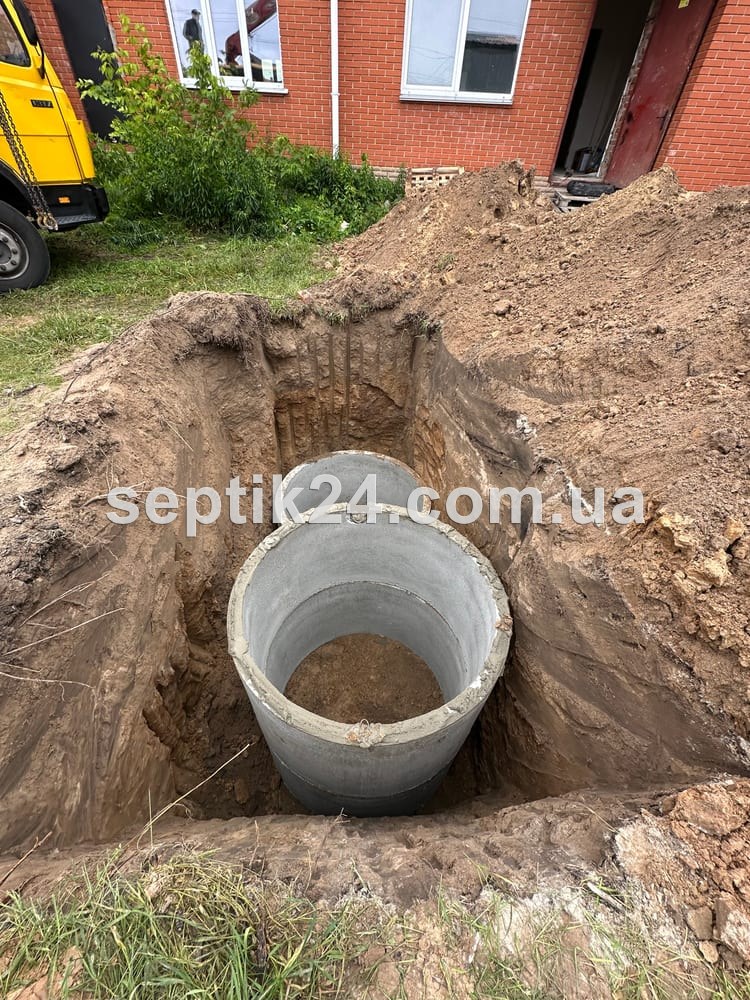
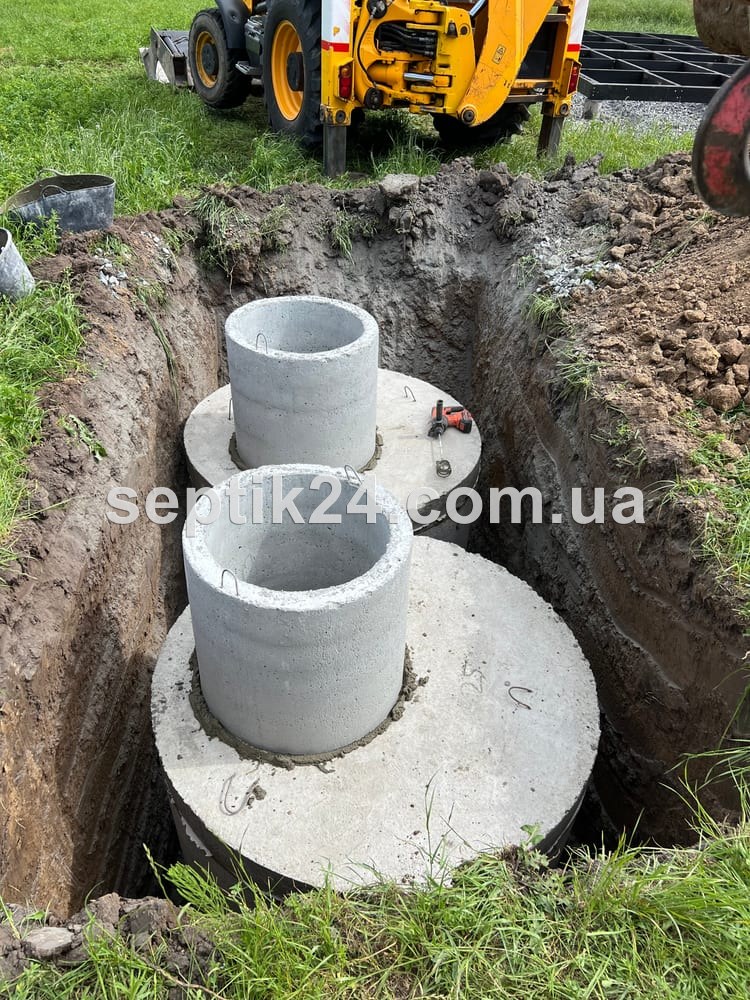
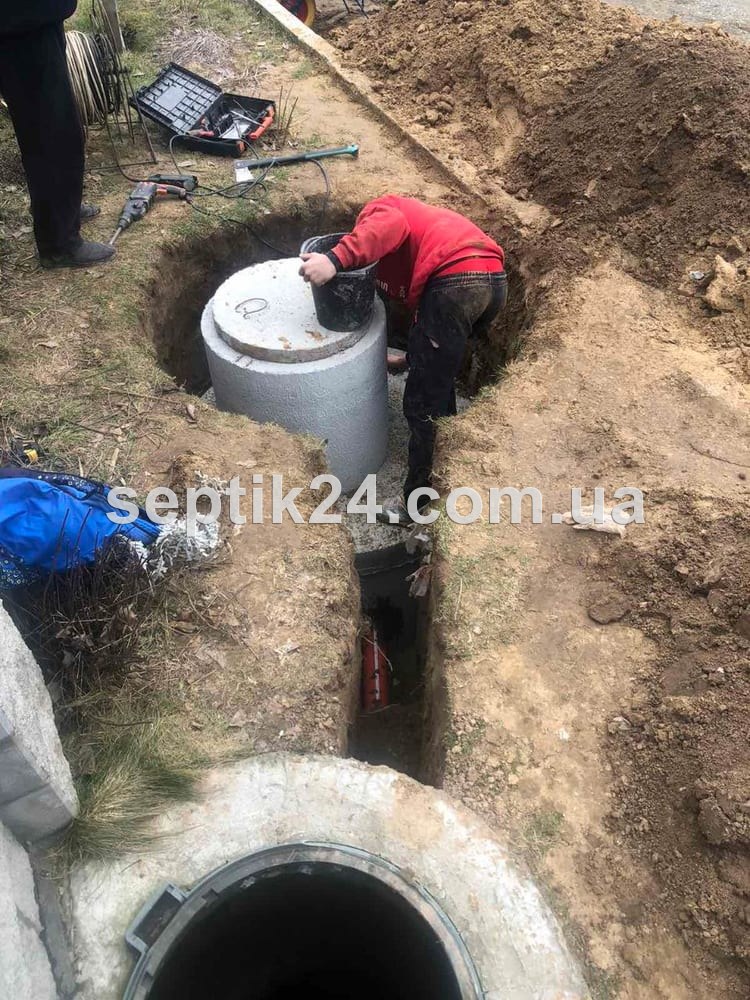
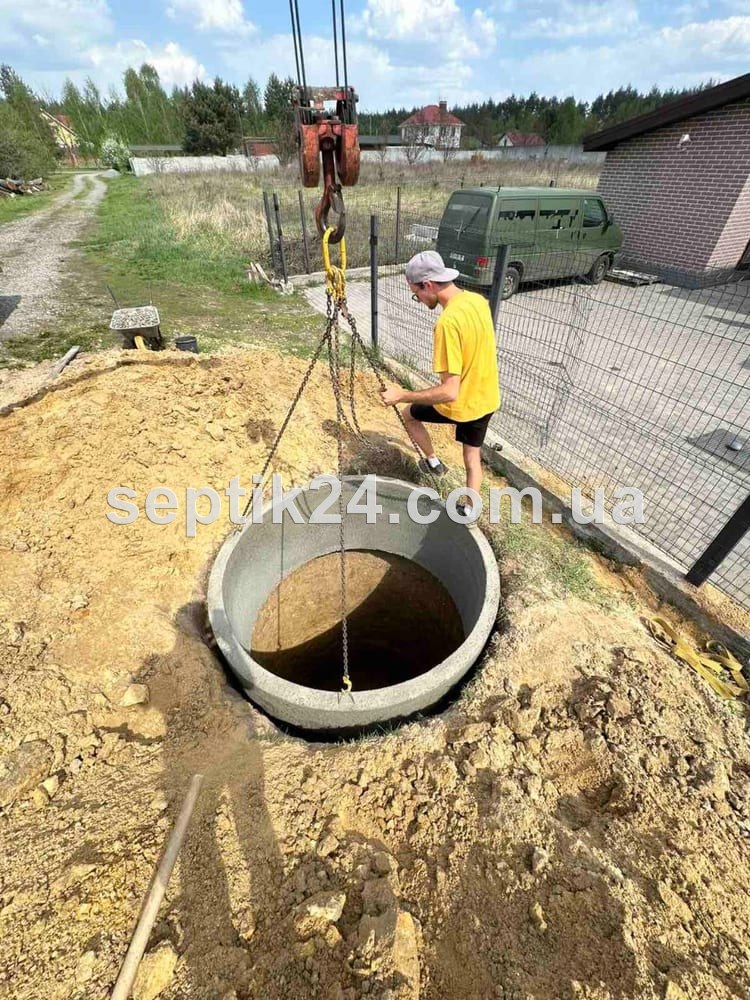
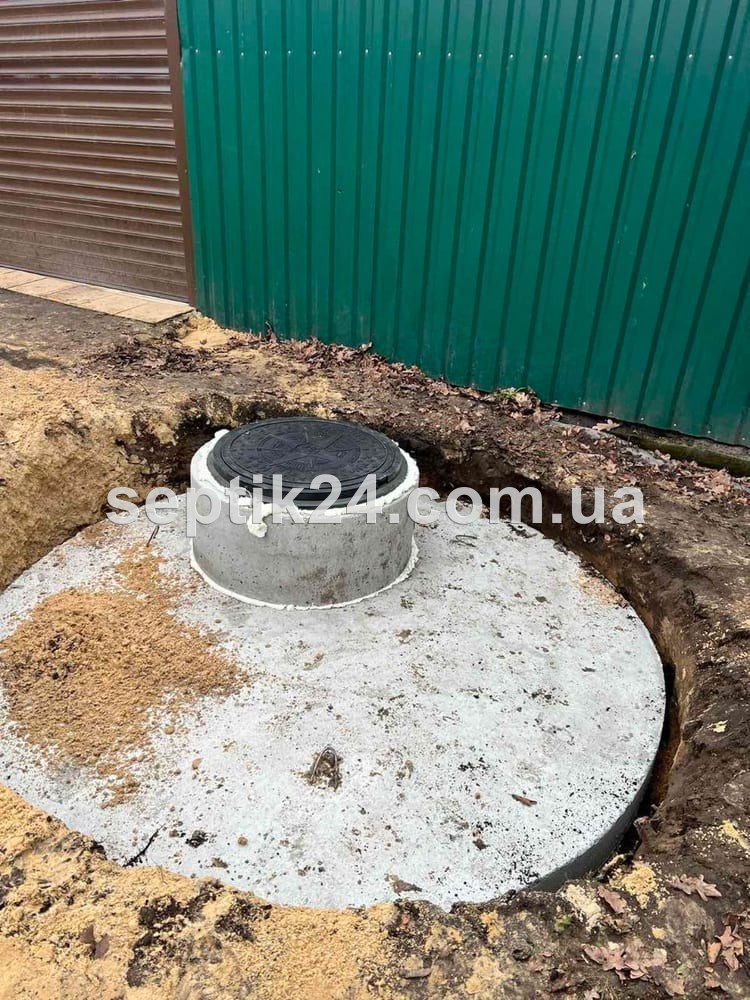
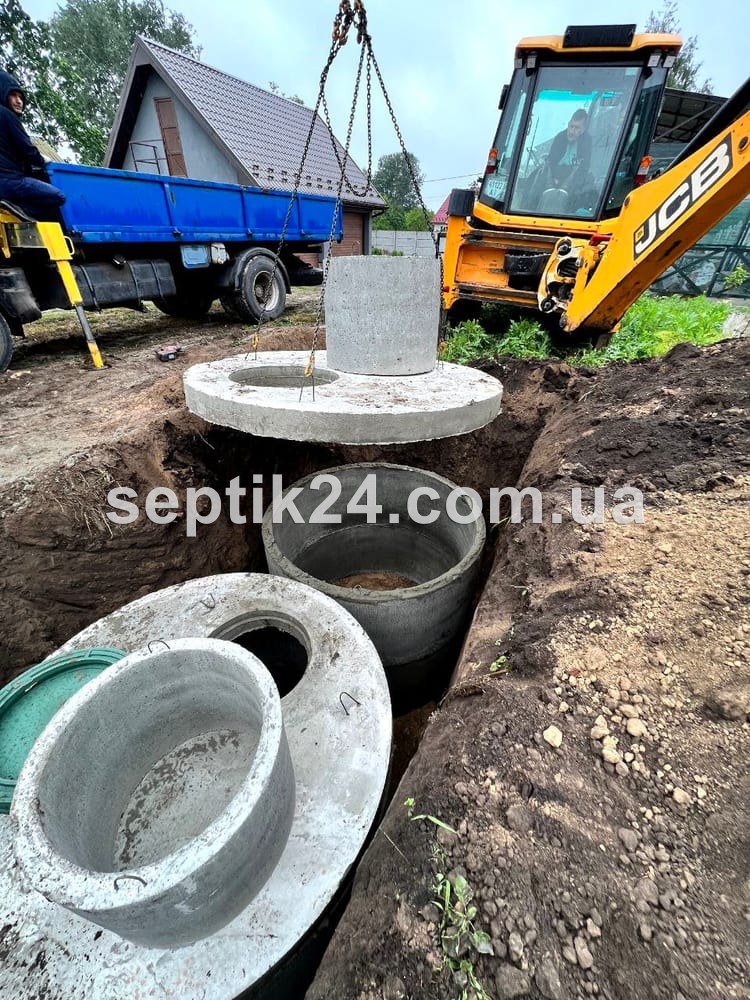
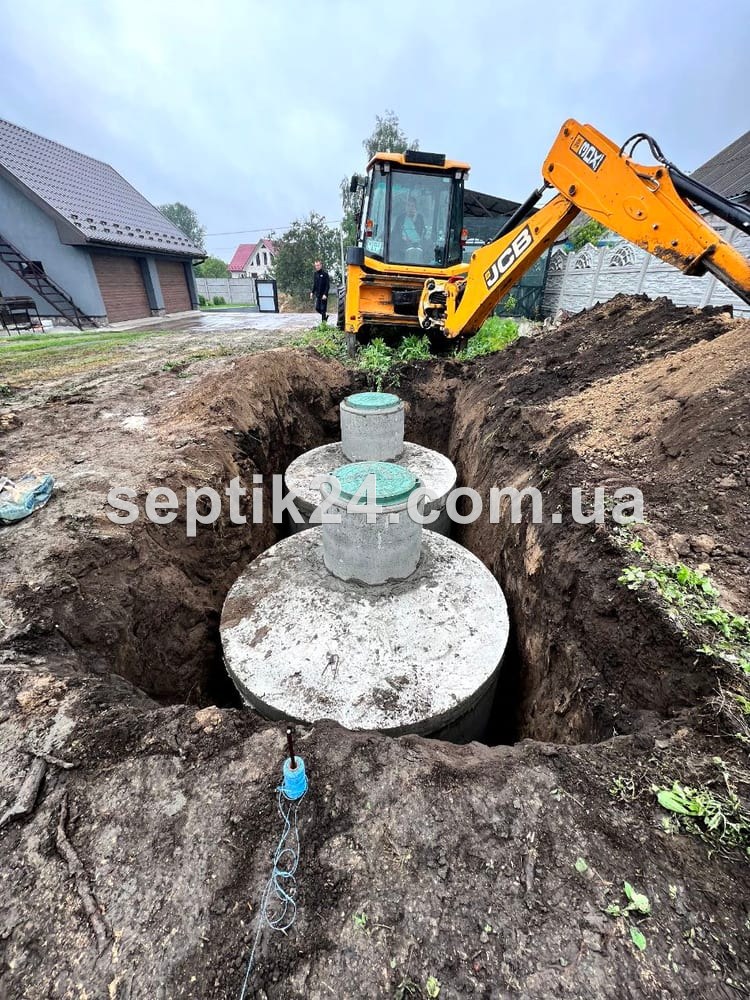
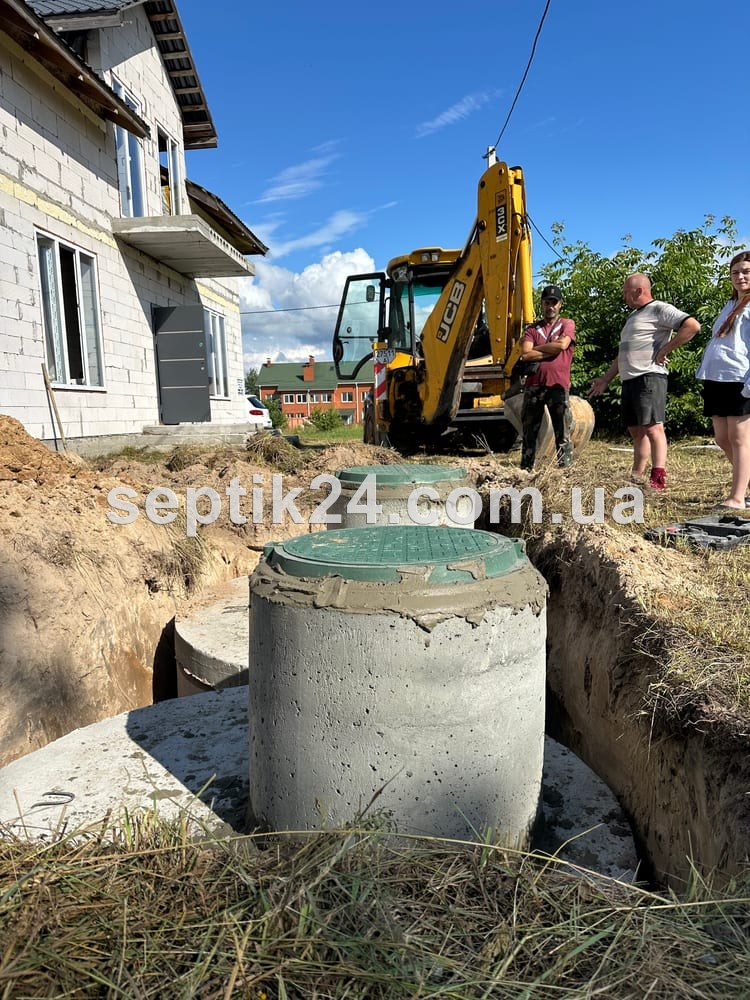
The gallery shows photos from different stages of work: excavation, concrete rings, chamber assembly, overflow connections, pipe connection, backfill, and the finished result on the property.

A good fit for properties where the sewage system is not used every day or mainly in the warm season.
Get a similar quote
An option for a cottage that needs more capacity than the minimum solution.
Order something similar
A practical solution for a home used every day: bathroom, shower, kitchen, washing machine.
Find the right option for my home
Works well for a home with multiple bathrooms, shower, kitchen, washing machine, or dishwasher.
I want a similar setup
The right choice when you need more capacity and multi-stage treatment.
Get a quote for a three-chamber septic
For plots where the water table is high or standard drainage may not perform reliably.
Check my plot
A key stage — placing the rings accurately, forming the chambers, and preparing the system for the next steps.
Order installation
Installing the septic is only part of the job — running the pipe from the house correctly is just as important.
Order pipe connection
After installation the system is checked, the pit is filled in, and the customer receives a walkthrough on how to use it.
I want this kind of installation
You can order not just full installation but also concrete rings and components separately.
Ask about ring pricing
When there is limited space or a tricky entrance, the installation approach needs to be planned before work begins.
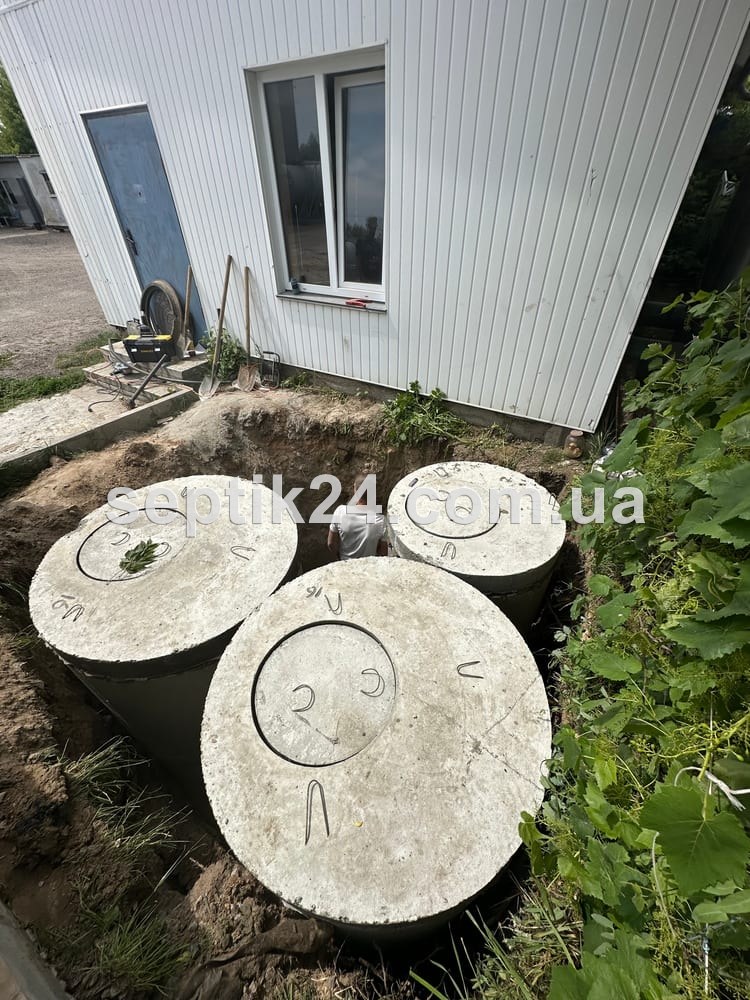
Assess my plot
The end result: septic installed, system connected, and the customer gets a fully working solution handed over on the day.
Order something similarIf needed, we can share more photos of similar work in messenger.
A concrete ring septic is a durable, straightforward, and practical solution for off-grid sewage. You can size it to your property, adapt it to your soil, and run it without any complex electronics.
Concrete rings handle soil pressure and on-site loads well. For a private home, the system needs to hold up for years without shifting or deforming.
An overflow septic flows by gravity and does not depend on power. No compressors, control boards, or complex electronics.
You can choose 1, 2, or 3 chambers, different ring diameters, and the right capacity — for a cottage, a home, or a larger property.
A concrete septic does not require complex servicing. Maintenance intervals depend on volume, household size, and usage patterns.
With good equipment access and standard site conditions, a typical septic can be installed in 1–2 days.
In many cases, a concrete ring septic costs less than a biostation and is simpler to repair than systems with complex electronics.
Chambers, overflows, lids, and connections are all easy to inspect and service. A simple, straightforward engineering system.
The configuration is chosen based on soil type, groundwater level, plot size, equipment access, and number of residents.
The same configuration can perform very differently on dry sandy soil, clay, or a plot with high groundwater. That's why we don't recommend choosing a septic on price alone — the right solution is the one matched to your actual conditions.
Each option has its strengths and limits. Here is a quick comparison to help you get oriented before a consultation.
| Criterion | RecommendedConcrete ringsOur specialty | Plastic septic tankPrefab tank | BiostationDeeper treatment | CesspoolSimplest option |
|---|---|---|---|---|
| Approximate cost | Moderate / good value | Higher | Highest | Lowest |
| Installation | Usually 1–2 days | Usually 1–2 days | Often 2–4 days | Often 1 day |
| Electricity | Not needed | Not needed | Required | Not needed |
| Structural strength | High | Depends on tank quality and installation | Moderate | Low / moderate |
| Volume flexibility | High | Limited to available models | Limited by station model | Limited |
| Maintenance | Simple | Simple | Regular equipment servicing | More frequent pumping |
| For year-round living | Yes | Yes | Yes | Not ideal |
| For a cottage | Yes | Yes | Yes, but often more expensive | Yes, if load is low |
| High groundwater | Yes, with a special setup | Yes, with proper installation | Yes, but more expensive | Often problematic |
| Repairability | High | Moderate | Depends on the model | Limited |
| System complexity | Low / moderate | Low / moderate | High | Low |
The best fit for most private homes and cottages that need a durable off-grid sewage system without electricity and with a clear budget.
May work for watertight solutions or tight spaces, but requires quality installation, proper anchoring, and typically costs more.
A good fit when deeper treatment or special conditions are needed, but it depends on electricity, requires servicing, and usually carries a higher price tag.
The simplest budget option for seasonal or low-load use, but for year-round living an overflow septic is usually the better choice.
For most private homes, a concrete septic offers a strong balance of price, durability, simple maintenance, and independence from the power grid. But if your plot has high groundwater, limited space, or difficult soil, it's better to choose a solution after a consultation.
Short answers on cost, timelines, number of chambers, groundwater, maintenance, and turnkey installation. If you don't see your question — call or message us.
The price depends on the configuration: number of chambers, ring diameter, depth, volume, soil type, groundwater level, equipment access, delivery distance, and pipe connection from the house. We can give you a ballpark after a short consultation, and confirm the final amount before work begins.
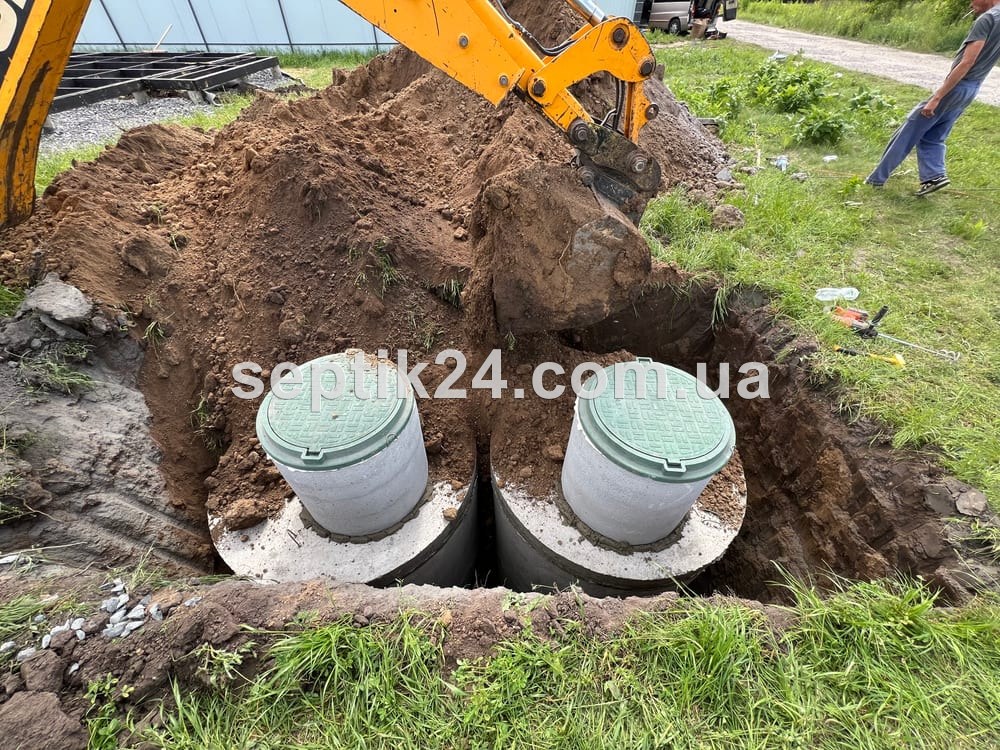
The standard package includes concrete rings, delivery, excavation, chamber assembly, joint sealing, overflow connections, cover slab, manhole lid, pipe connection from the house, and backfill after work. The exact scope depends on your property — we walk you through it before we start.
A typical septic for a cottage or private home can be installed in 1–2 days. Larger jobs, difficult soil, high groundwater, or limited equipment access may take longer.
You can usually use the system right after installation, connection, and final check. The installer will let you know on-site if there are any first-day restrictions and how to use the septic without overloading it.
A seasonal cottage with low usage may work with a simpler solution. A home used year-round usually calls for a two-chamber septic. For a large family, multiple bathrooms, or high daily usage, a three-chamber system is worth considering. We finalize the choice after checking your conditions.
Volume depends on the number of people, how the property is used, number of bathrooms, shower, washing machine, dishwasher, and how often water is used. We recommend sizing for real load, not just the minimum — going too small creates problems.
Properties with high groundwater need a carefully chosen configuration. You may need a sealed chamber, extra waterproofing, a special drainage layout, or pump discharge. The best first step is to send photos or video of the plot, or consult with us before choosing a system.
Clay soils absorb water more slowly, so the drainage part of the system needs to be matched to that. Sometimes a larger volume, a different chamber layout, or an extra drainage solution is needed. This is best assessed on a case-by-case basis.
Pumping frequency depends on the septic volume, number of residents, and usage patterns. A weekend cottage, a year-round home, and a large property all have different loads. After choosing your configuration, we will explain the expected maintenance schedule.
If the system is properly designed with correct connections, ventilation, and no overloading, there should be no unpleasant odor. Odor usually comes from installation errors, incorrect pipe slope, missing ventilation, or a volume that is too small.
Yes, installation is possible in cold weather if the ground condition, weather, and equipment access allow it. In hard frost, frozen ground, or difficult conditions, it is better to schedule the work date separately.
For most private properties, a separate permit is generally not required, but it is important to keep the required distances from the house, well, borehole, property lines, and bodies of water. We can advise on how to position the septic correctly on your plot.
Location is chosen based on distance from the house, well or borehole, neighboring plots, equipment access, terrain, soil, and the pipe direction from the house. The best approach is a site visit or at least photos and video.
Limited access does not always mean installation is impossible, but it may affect how the work is done, the timeline, and the cost. Send us photos or video of the entrance, gate, yard, and the septic location — that helps us give you a faster, more accurate answer.
Each option has its strengths. Concrete ring septics are often chosen for durability, straightforward design, no electricity needed, and practical cost. Plastic tanks can make sense in specific conditions. Biostations are the right choice when deeper treatment is needed, but they cost more and require regular servicing. The best option depends on your plot.
A cesspool is a simpler single-chamber solution for low or seasonal use. An overflow septic has multiple chambers and is better suited for a home used year-round. If you have a shower, kitchen, washing machine, and people living there full time, a septic is usually the right choice.
Yes, you can order concrete rings, cover slabs, bottom slabs, and lids separately. Tell us the diameter, quantity, and your location — we will check availability, components, and delivery cost.
We work across Kyiv Region, Cherkasy Region, and select nearby towns. If your city or village is not on the list on the site, contact us anyway — we will check whether a visit and delivery are possible.
Share your town or village, property type (cottage or year-round home), number of people who will use the sewage, whether you have a shower, washing machine, or dishwasher, whether you have high groundwater, and a photo of the intended septic location if possible.
No. There is no form on the site. To get a consultation or a quote, simply call or message us on Viber, Telegram, or WhatsApp. It's faster and easier.
You can order not just full turnkey septic installation, but also concrete rings, cover slabs, bottom slabs, and lids separately for sewage systems, wells, and drainage.
Септик24 will help you choose the right concrete rings for your project: septic, cesspool, well, drainage, or utility shaft. We'll advise on diameter, components, quantity, and calculate delivery to your location.
Concrete rings for septic systems, cesspools, sewage and utility shafts.
Slabs for closing septic chambers, wells, and concrete structures, with a manhole lid installed on top.
Bottom slabs are used where a sealed base is needed or controlled wastewater accumulation is required.
We'll help you make sure nothing is missing: lids, slabs, bottom slabs, reducer rings, and installation components.
We'll advise on diameter and components for a septic, well, cesspool, or drainage system.
Order full turnkey installation, or just concrete products delivered to site.
We'll calculate delivery to your location and tell you what to prepare for receiving the materials.
We select rings, slabs, bottom slabs, and lids so you don't have to run back for missing parts at the last minute.
We work with homeowners, builders, and installation crews doing their own work.
Message us with the diameter, quantity, any slabs or bottom slabs needed, and your location. We'll confirm availability, components, and estimated delivery cost.
Call or message us on Viber, Telegram, or WhatsApp. We will advise on the configuration, give you a price indication, and explain what works better for your plot — turnkey installation or just concrete rings with delivery.
Call us daily 8:00–20:00+38 (067) 156-99-99We work across Kyiv Region, Cherkasy Region, and select nearby towns.